| June 30 |
The monthly temperature for June 2013 was 1.1° F above the longer term average, and precipitation was only 0.06 inches below average for the month. |
| June 29 |
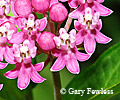 |
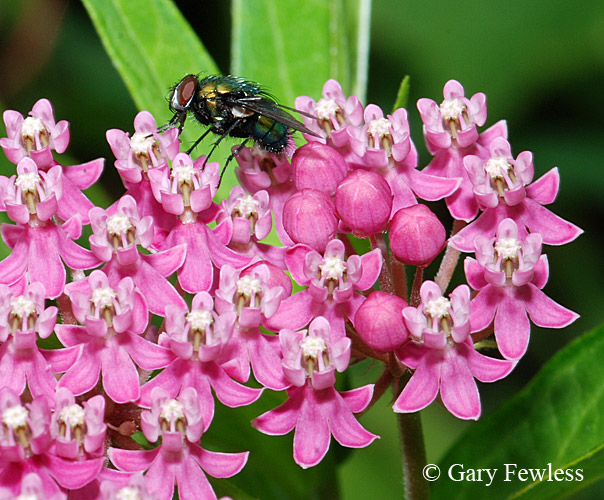
Swamp milkweed (Asclepias incarnata) is now in flower. |
|
| June 28 |
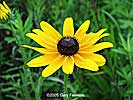 |
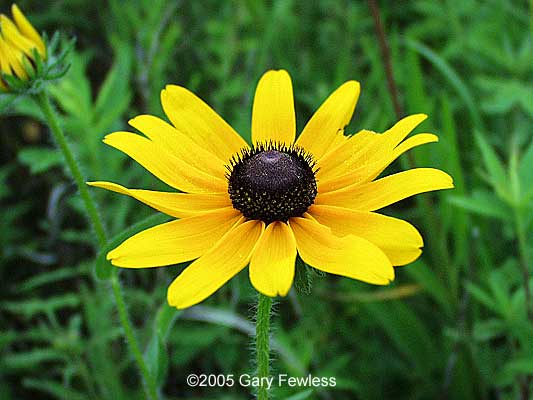
Black-eyed Susan (Rudbeckia hirta) is in flower. |
|
| June 26 |
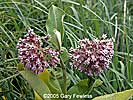 |
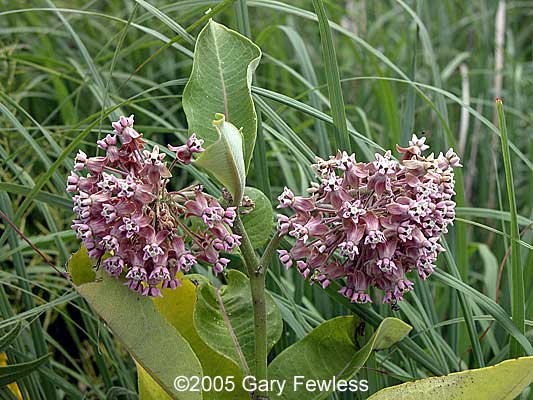
Common milkweed (Asclepias syriaca) is now flowering. |
|
| June 24 |
Northern catalpa (Catalpa speciosa) is now floweirng in Green Bay. |
| June 23 |
Gray dogwood (Cornus racemosa) is now flowering in the Green Bay area. |
| June 21 |
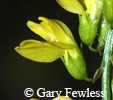 |
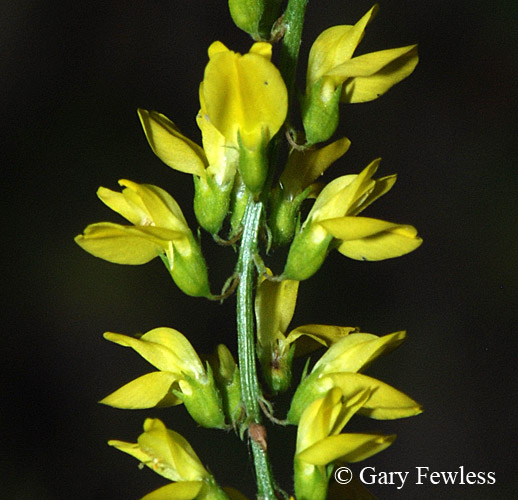
Yellow sweet clover (Melilotus officinalis) is now flowering. |
|
| June 19 |
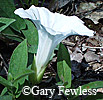 |
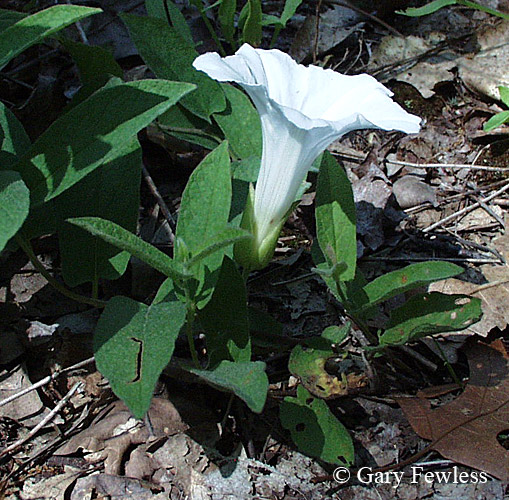
Upright bindweed (Calystegia spithamea) is in flower in northeastern Wisconsin. This is a native species of sunny, dry sites. |
|
| June 17 |
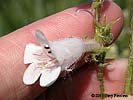 |
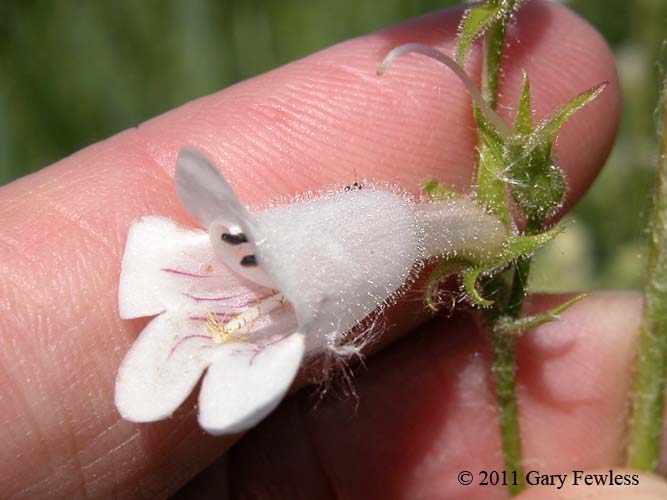
Beardtongue (Penstemon digitalis) is now flowering in the Green Bay area. |
|
| June 15 |
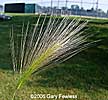 |
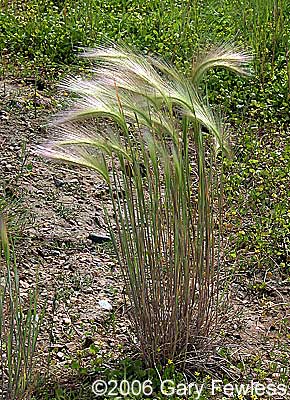
Foxtail barley (Hordeum jubatum) is now conspicuous along local roadways and in other sunny, disturbed sites. |
|
| June 14 |
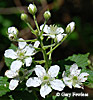 |
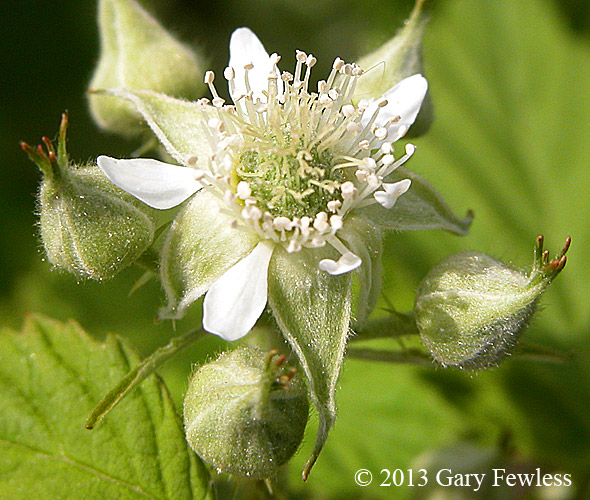
Blackberry (Rubus allegheniensis) has begun to flower in northeastern Wisconsin. |
|
| June 13 |
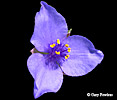 |
Spiderwort (Tradescantia ohioensis) is flowering in planted prairies and gardens. |
|
| June 12 |
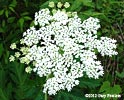 |
Cow parsnip (Heracleum lanatum) is now beginning to flower in the Green Bay area. This is a very large plant with a large inflorescence of many small white flowers. It usually grows on wet sites in full sun or partial shade. |
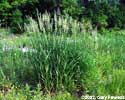 |
Also beginning to flower in our area is reed canary grass (Phalaris arundinacea). This is one of the worst invasive plants in Wisconsin, filling in thousands of acres of wetlands |
|
| June 11 |
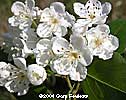 |
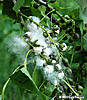
Cockspur hawthorn (Crataegus crus-galli) has begun to flower. This species is most often found in cultivation here, but it does escape and establish on its own if there is appropriate habitat near plantings. |
 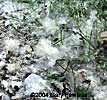 |
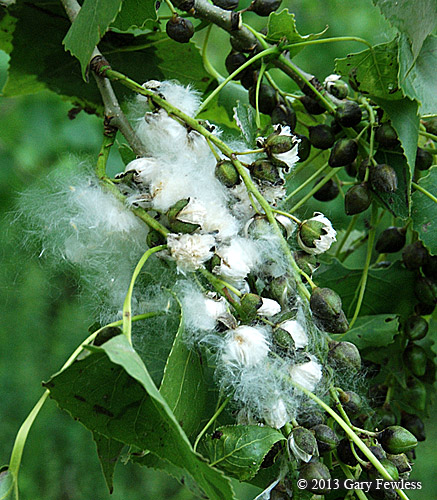
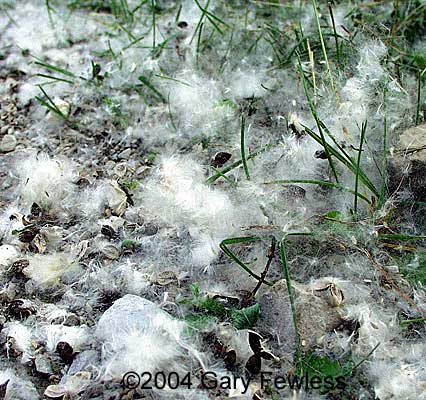
The "cotton" from eastern cottonwood (Populus deltoides) is now conspicuously in the air of Green Bay. |
|
| June 10 |
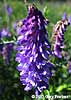 |
Cow vetch (Vicia cracca) has begun to flower. This is another alien species. It can be useful in agriculture and it can also be invasive in natural ecosystems. The distribution map far underestimates its presence in Wisconsin. |
|
| June 9 |
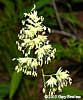 |
Orchard grass (Dactylis glomerata) has begun to flower. This alien species has increased dramatically in the Green Bay area in the last 20 years or so. |
|
| June 8 |
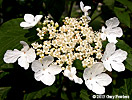 |
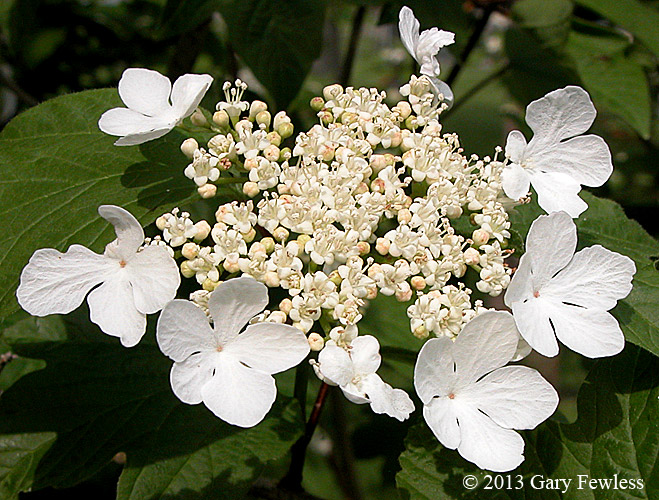
Highbush cranberry (Viburnum trilobum) has begun to flower. The common name is misleading, because it is not even close to being a cranberry. Flowers are borne in a large, roughly circular arrangement. The larger outer flowers are just for show, to attract insects for pollination, but they are sterile, i.e. they produce neither stamens nor pistils. It is the smaller flowers in the center that produce fruits. |
|
| June 7 |
|
| June 4 |
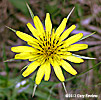 |
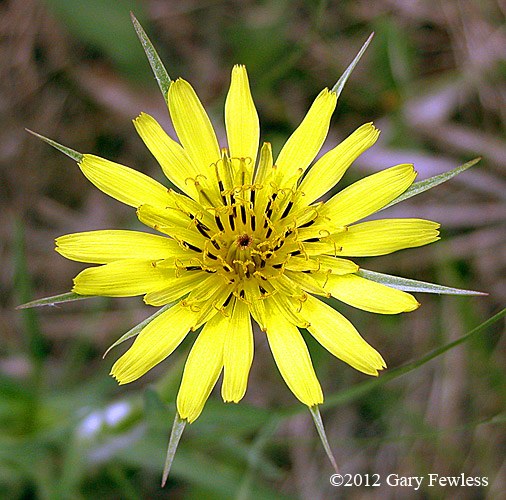
Yellow goat's-beard (Tragopogon dubius) is now flowering. |
|
| June 3 |
Alternate-leaved dogwood (Cornus alternifolia) is now flowering.
Also, the very common Kentucky bluegrass (Poa pratensis) is now in flower. This could be an important component of the grass pollen for allergic reactions from some people, in the next week or two. |
| June 2 |
False Solomon's-seal (Maianthemum racemosum) has begun to flower. |
| June 1 |
| Mature fruits (samaras) of silver maple (Acer saccharinum) are being dispersed in City of Green Bay. Small numbers were dropped previously, but they were mostly immature. The earliest silver maples flowered about April 5, therefore it took about 57 days from flower to dispersed fruit. |
|
|



 Last
updated on
May 20, 2015
Last
updated on
May 20, 2015