| Jul 31 |
Very dry month, with only 1.21 inches of rain, 2.29 inches below normal. Much of northeastern Wisconsin is listed as abnormally dry by the National Weather Service. |
| July 26 |
|
| July 17 |
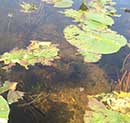 |
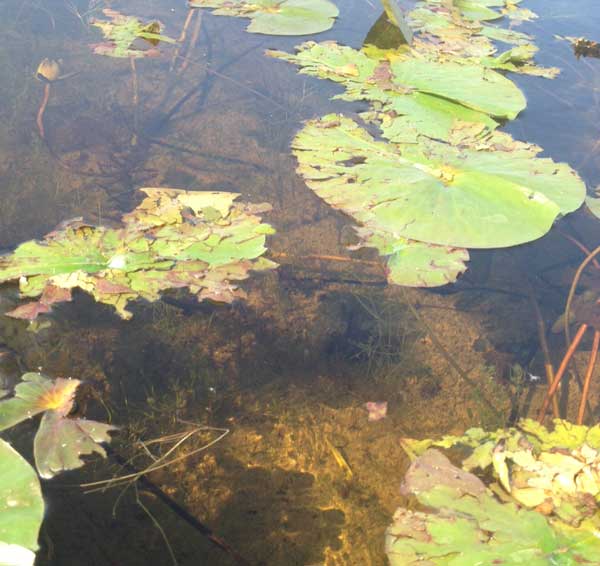
Hail damage from the recent storm affected wetlands as well. ES&P graduate student Matt Peter took this photo of damaged water lily leaves at Shivering Sands State Natural Area in Door County. |
|
| July 14 |
| An isolated storm dropped 2-4 inches of hail just north of Sturgeon Bay in Door County. Hard hit areas included the towns of Sevastopol and Institute, where many plants were stripped of 80% of their leaves and crops were decimated by the hail. |
|
| July 11 |
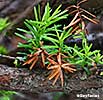 |
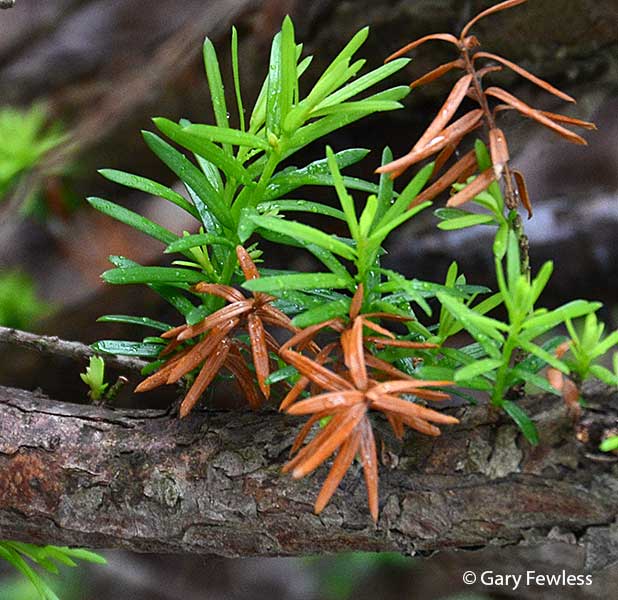
The last winter was long and hard and many horticultural plants of Japanese yew (Taxus cuspidata) suffered large-scale damage. If the owners were patient, new growth is now sprouting and with a little (perhaps a lot) of pruning, the shrubs may well recover. |
|
| July 9 |
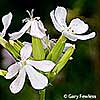 |
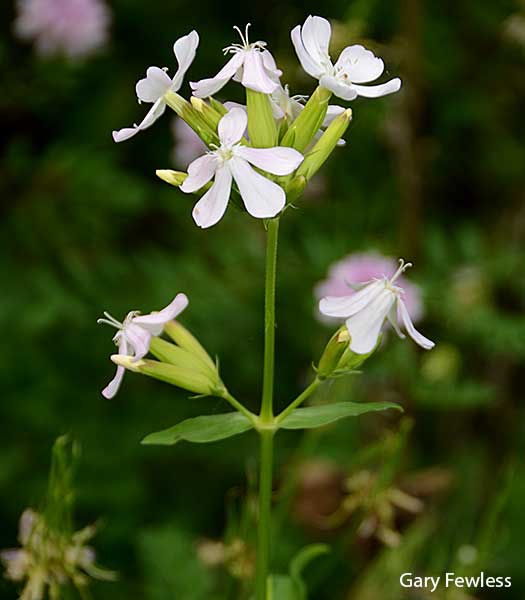
Bouncing Bet or soapwort (Saponaria officinalis) is a common weed in roadsides, old fields and similar sunny, upland sites. The corolla may be a bit more pinkish than in this photo. |
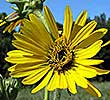 |
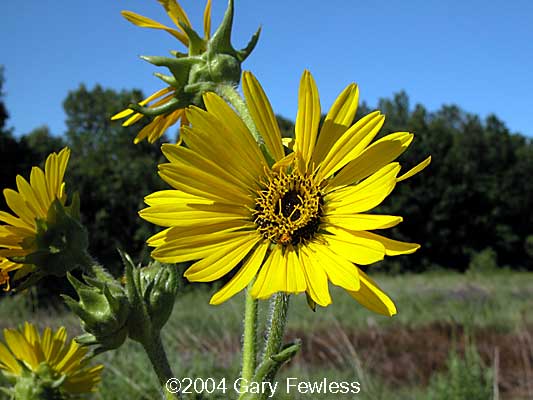
Today I saw the first fully open flower on compass plant (Silphium laciniatum) on the prairie of the UWGB Cofrin Arboretum [photo not from today]. |
|
| July 8 |
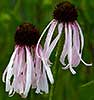 |
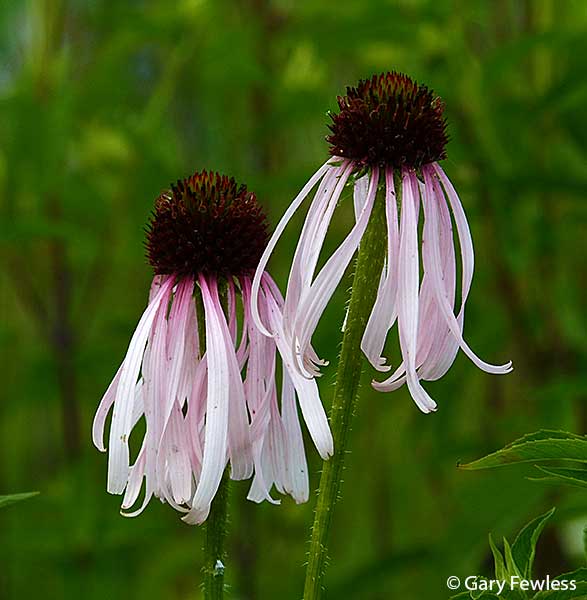
Pale purple coneflower (Echinacea pallida) is flowering in local planted prairies. This is a popular plant to cultivate in yards and even in some revegetated rights-of-way, etc., but it does not normally grow wild in the Green Bay area. |
|
| July 7 |
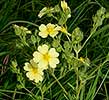 |
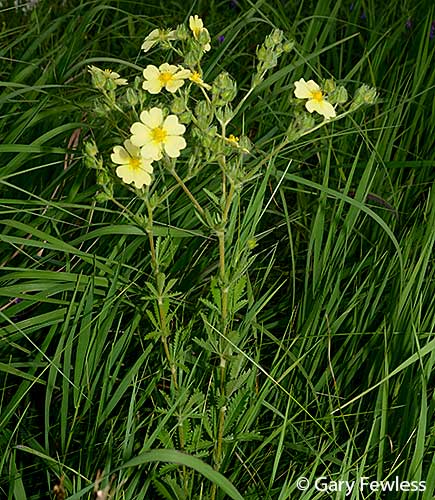
Rough-fruited cinqufoil (Potentilla recta) began to flower June 25 and is now becoming conspicuous in old fields, roadsides and other sunny sites. |
|
| July 6 |
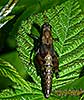 |
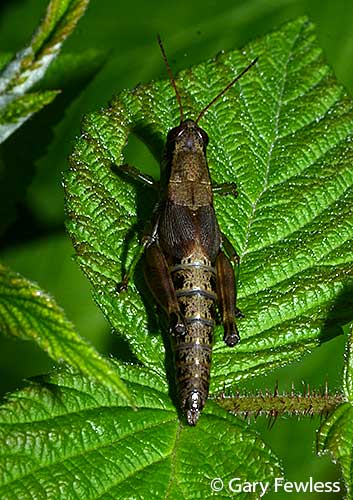
Grasshoppers are also increasing in number in northeastern Wisconsin now. This young hopper is sitting on a leaf of our common red raspberry (Rubus strigosus). |
|
| July 5 |
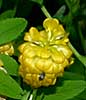 |
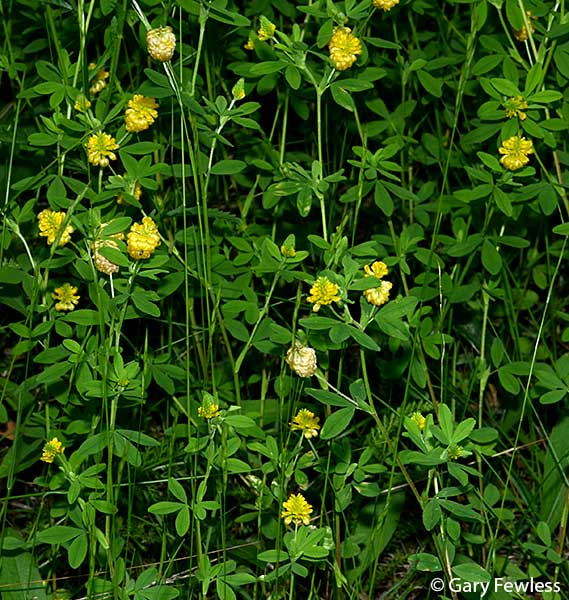
Yellow hop clover (Trifolium aureum) is common in sandy fields of low productivity in northeastern Wisconsin. It begins to flower in June, but is now conspicuous in some areas. |
|
| July 4 |
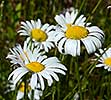 |
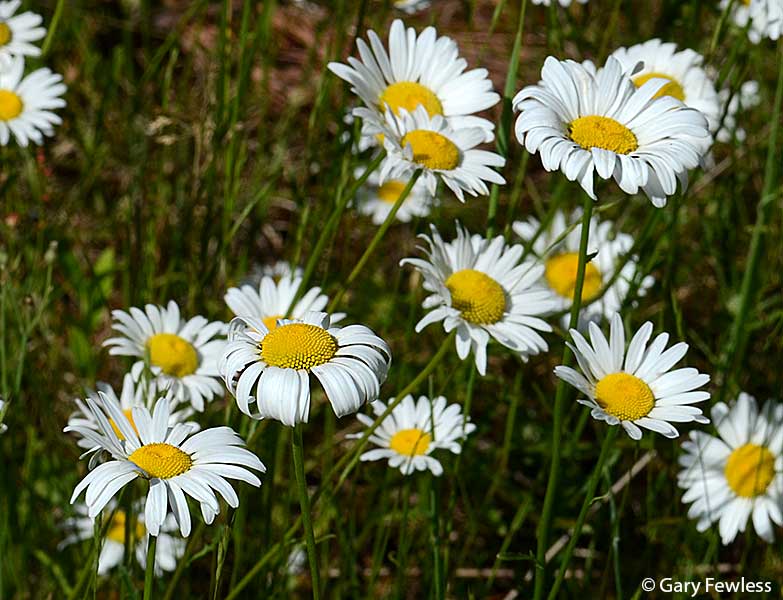
Ox-eye daisy (Leucanthemum vulgare) has been flowering since about June 10, but it is now at about peak and some fields are dominated by this weedy plant. |
|
| July 1 |
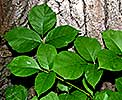 |
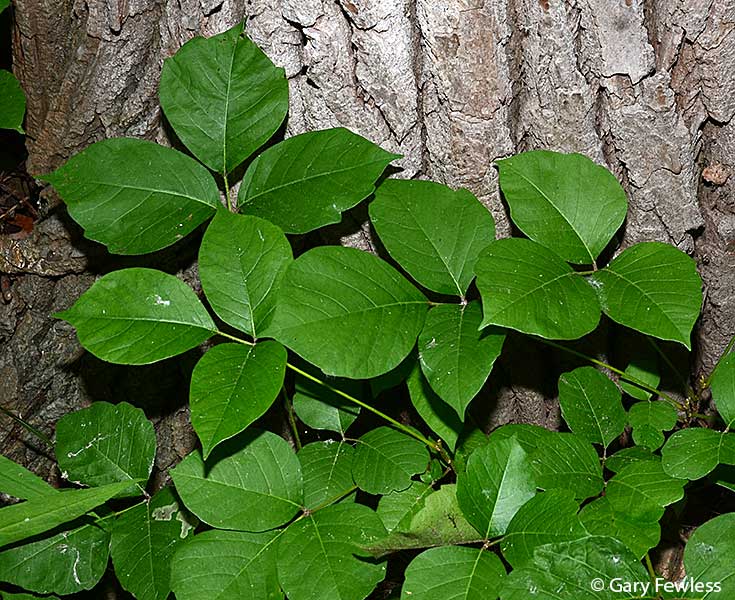
The plant at left is western poison ivy (Toxicodendron rydbergii) and it is the most common species of poison ivy in northeastern Wisconsin. It is common in our area and the consequences of contacting it can be severe. When it is first developing the leaves are small, shiny and often reddish. As the season progresses the leaves will become much larger, dull and green. Here is a link to a few more photos. And also that of the very similar species Toxicodendron radicans which is also present here and may be the most common species just a short distance to the south. |
|
|
|



 Last
updated on
May 20, 2015
Last
updated on
May 20, 2015