Harm Reduction
for Adults with Serious Mental Illness

Fee: $0 (Members); $40 (Nonmembers)
Continuing Education Hours: 2.0
Course Description
This training is designed for professionals working with adults experiencing serious mental illness (SMI) and substance use challenges. It offers a practical introduction to harm reduction principles and strategies and safer use practices. Participants will explore the Stages of Change framework and learn how to integrate harm reduction with Motivational Interviewing techniques - focusing on values, goal-setting, and client engagement. Developed for human services professionals, this course engages learners through interactive modules, periodic knowledge checks, and practice activities. Individuals who successfully complete the course, including passing all module quizzes, will receive 2 hours of continuing education.
Learning Objectives:
- Define substance use disorder
- Define harm reduction and identify two harm reduction strategies to support clients in reducing substance-related harms
- Outline steps to integrate harm reduction services into their practice through direct delivery or community partnerships.
- Understand the Stages of Change, the Spirit of Motivational Interviewing (MI), and harm reduction practices to enhance engagement and readiness for change
- Explore values clarification, goal-setting, and treatment planning aligned with harm reduction principles
Module 1: Applying a Harm Reduction Approach to Clinical Work (1:10:24)
- Chapter 1: Substance Use and Substance Use Disorder (36:18)
- Chapter 2: Defining Harm Reduction (15:19)
- Chapter 3: Applying Harm Reduction in Clinical Care (18:47)
- Substance Use Interviews (supplemental resource)
- Chapter 1: Understanding Stages of Change (8:23)
- Chapter 2: Goal Development Informed by Motivational Interviewing (13:37)
- Chapter 3: Utilizing the Drug - Set - Setting Framework (19:16)
- Case Vignette Activity and Reflection
About the Trainer
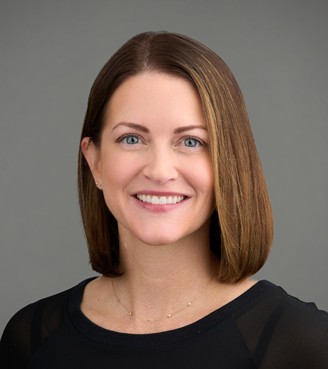
Elizabeth Salisbury-Afshar, MD, MPH
Dr. Salisbury-Afshar is board certified in family medicine, preventive medicine/public health and addiction medicine and her expertise lies at the intersection of these fields. She has over 14 years of clinical experiencing providing primary care and addiction treatment services to underserved populations, particularly individuals experiencing homelessness and those with criminal legal involvement. She is a Professor at the University of Wisconsin Madison School of Medicine and Public Health and provides clinical services, teaches, and participates in research related to substance use disorders.