Mindfulness is a Dirty Word

Virtual via Zoom
Fee: $10 full members; $25 partial members and nonmembers
Continuing Education Hours: 2.0
Course Description
In a world where children and families face unprecedented stress—academic pressure, social media overload, and a 24/7 culture of comparison, “mindfulness” has begun to feel like a buzzword rather than a lifeline. Too often, it’s dismissed as a luxury practice for the privileged, irrelevant to the day-to-day struggles of families navigating trauma, transitions, and mental health challenges. This keynote reframes mindfulness as a deeply practical, evidence based, and family-centered tool, not about sitting silently on a cushion, but about reclaiming the power of the present moment. Drawing on neuroscience, developmental psychology, and clinical practice, we introduce the Past–Present–Future Triangle Intervention, a simple but transformative framework for helping children and parents reduce anxiety, increase emotional regulation, and strengthen connection. By learning how to notice when the mind drifts backward into rumination or forward into fear, families can anchor themselves in the present, where resilience, safety, and healing are possible. This keynote offers a paradigm shift: moving mindfulness out of wellness marketing and back into mental health practice, where it belongs.
Learning Objectives:
- Participants will learn the limitations of traditional “mindfulness” framing and why it often fails to engage children, parents, and diverse communities.
- Participants will learn the Past–Present–Future Triangle Intervention as a practical tool for reducing anxiety and supporting emotional regulation in families.
- Participants will integrate present-focused practices into clinical or community work with children and parents, shifting from abstract “mindfulness” to concrete, actionable skills.
About the Trainer
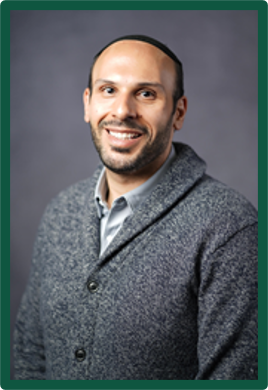
Elan Javanfard, M.A., LMFT
Elan Javanfard, M.A., LMFT (#87054), is a licensed psychotherapist, professor, author, and thought leader in the fields of mental health, mindfulness, and crisis care. He currently serves as Senior Director at Didi Hirsch Mental Health Services, where he focuses on behavioral health redesign and systems-level transformation to improve care for individuals experiencing mental illness, suicidal ideation, and emotional distress.Professor at both Pepperdine University and Touro University, where he lectures on a wide range of topics including evidence-based clinical practices, mindfulness, and suicide prevention. In addition to his academic and clinical work, he is a national speaker and educator, regularly presenting to mental health professionals, faith-based communities, and leadership groups.