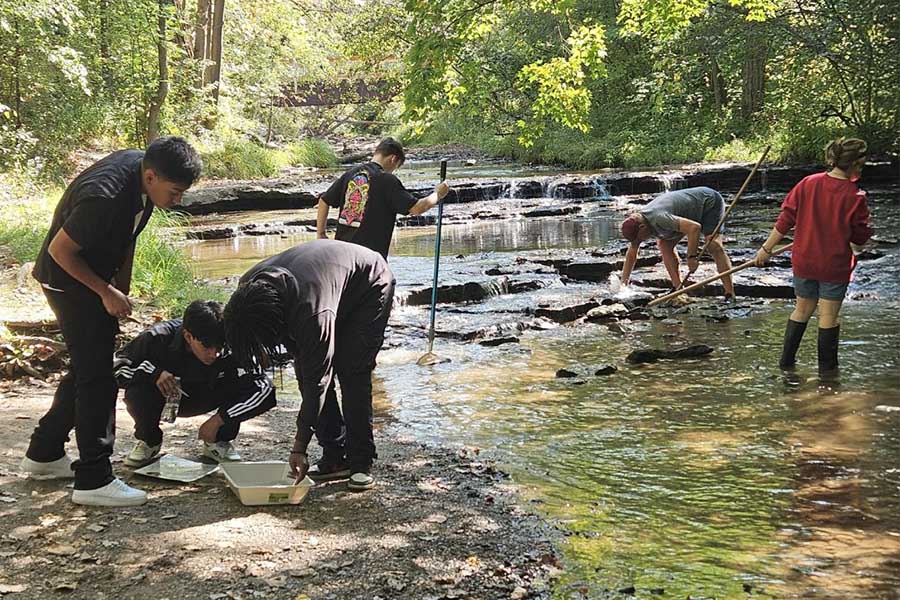
Science. Education.
Community.
Join our network that provides data to improve water quality.
Welcome to the Lower Fox River Watershed Monitoring Program (LFRWMP), a network of teachers and students from high schools in Northeast Wisconsin collaborating with university scientists. We monitor eleven environmentally impaired streams in the Fox River watershed for water quality and ecological health. Through our data, we can measure pollution that contributes to the "dead zone" in Green Bay, informing long-term trends and restoration efforts.
Upcoming Dates
- 2027 Lower Fox River Watershed Student Symposium is set for Tuesday, March 16, 2027 in the UWGB Phoenix Rooms. Save the Date!
Student Symposium
At our annual symposium, student-teacher teams share their data with fellow researchers and community members.
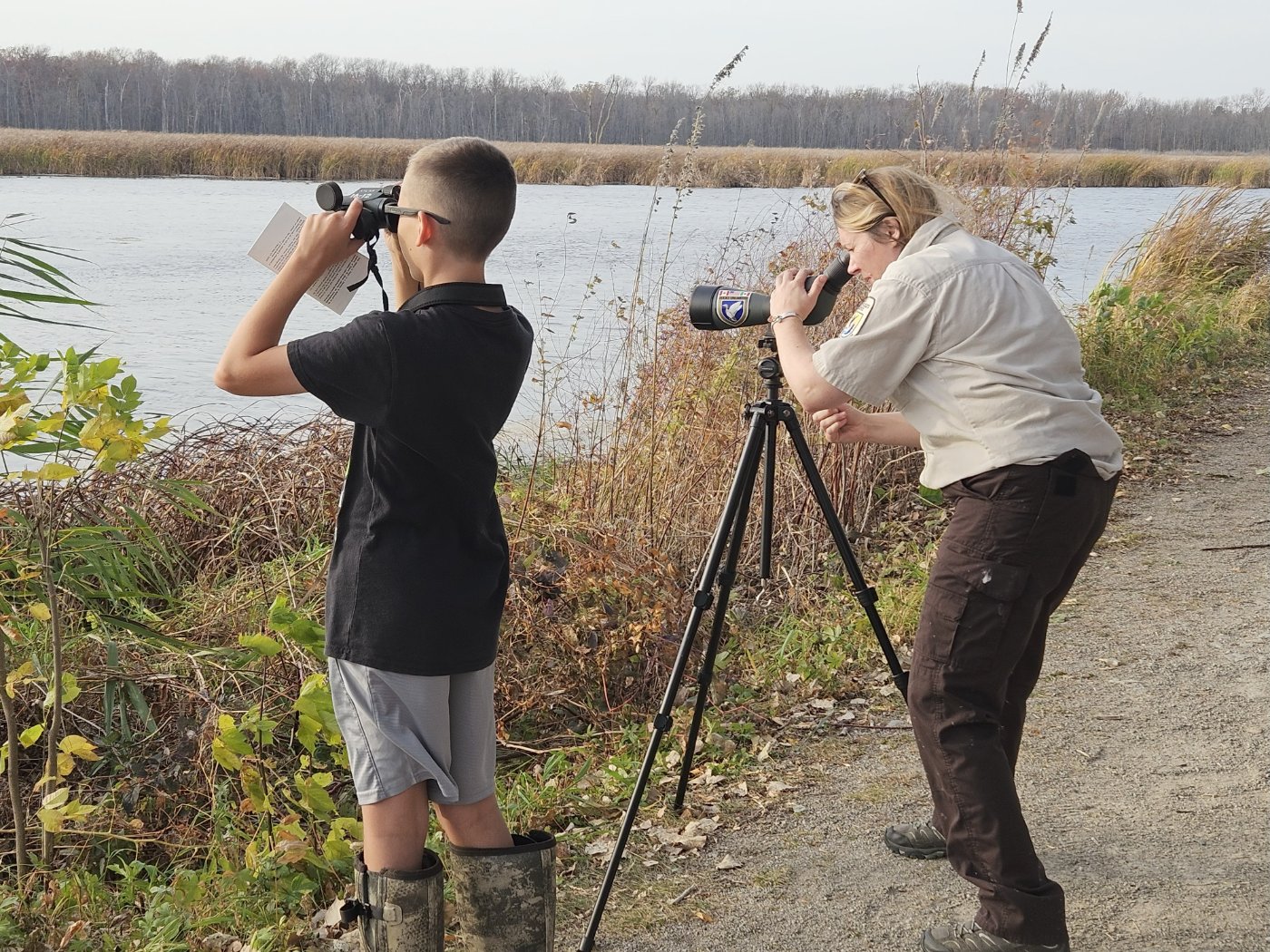
Support Our Work
Through your help, student-teacher teams can do more.
Our work grows through support from organizations and schools across our community. With your donation, you can help us expand the program to more schools, get updated technology for the most accurate data and provide more opportunities for students to get real-life on-the-job experience.
Dive In
Our program seeks to revive the "dead zone" in the Bay of Green Bay through science, education and community.
Stay Up to Date
Get the latest in the goings on in the Lower Fox River Watershed Monitoring Program.
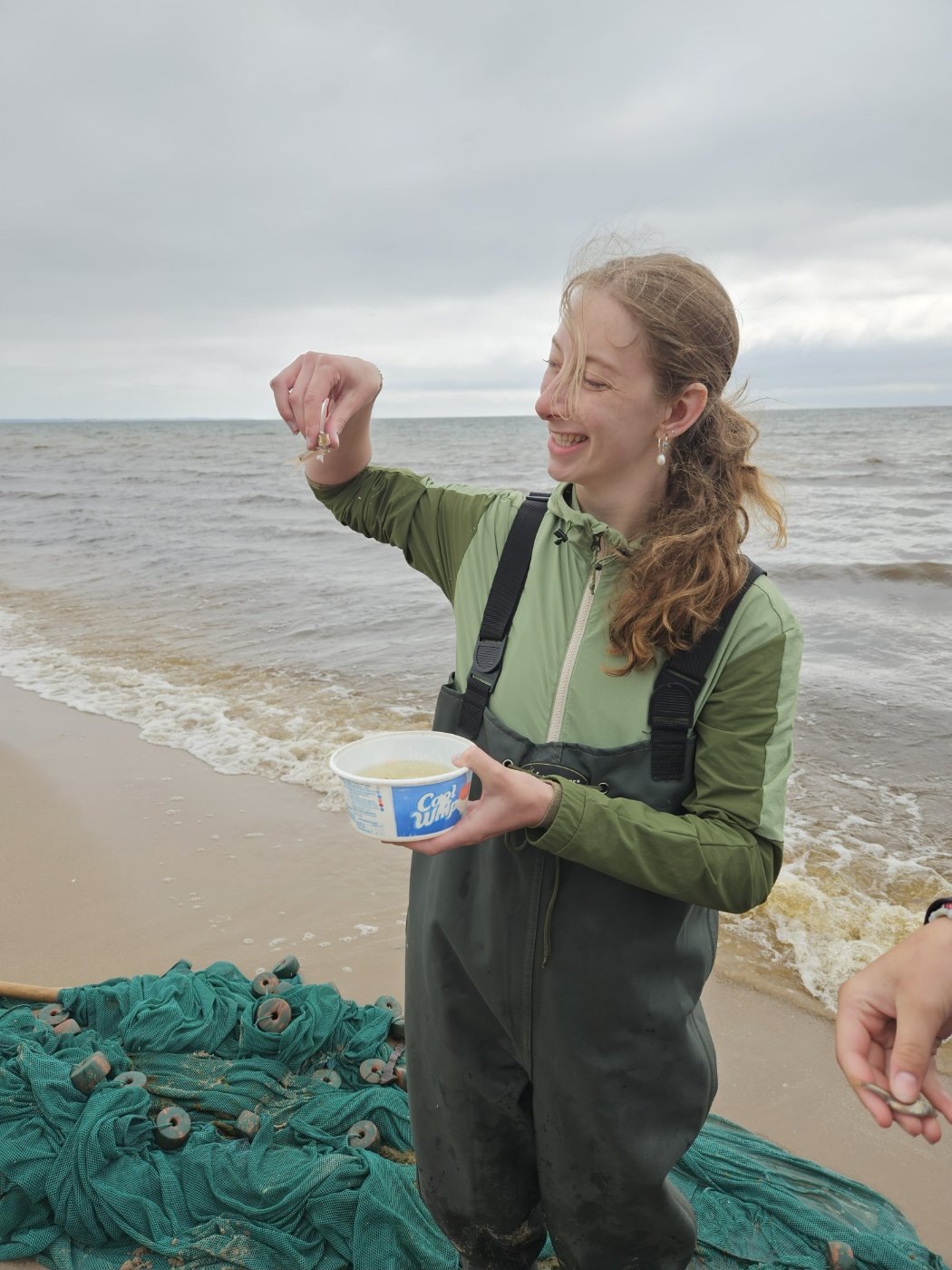
Meet a Freshwater Scholar
“Fox River Monitoring inspired me to pursue science in my post high school path,” Mangin says. “The field work and lab work involved creates a strong understanding of our local waterways, something that is a vital part of understanding your natural environment."
Ziah Mangin
High School Student
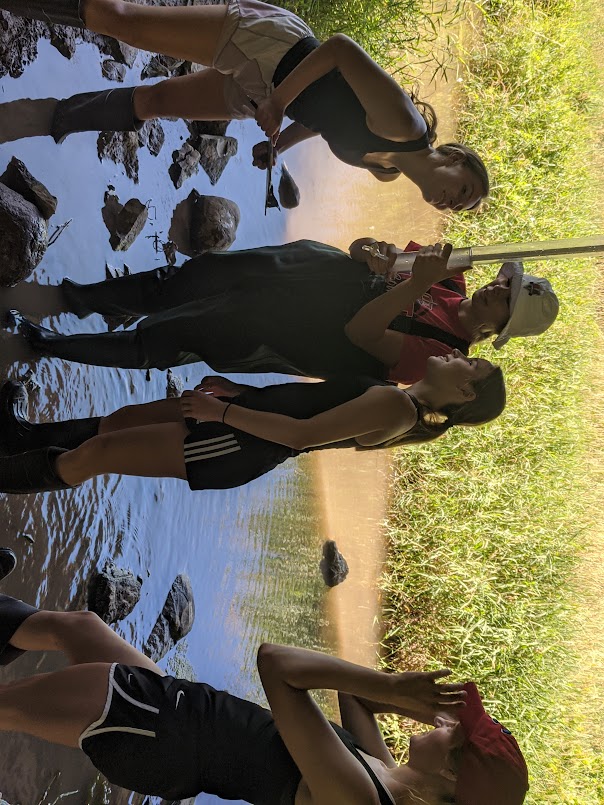
20+ Years of Conservation
Following our Eco-U® roots, the program began work in 2003.
The Lower Fox River Watershed Monitoring Program grew out of the PCB cleanup in the Fox River in the early 2000’s. Arjo Wiggins, a paper company involved in the cleanup, felt that if we were going to have an impact on improving water quality, we needed to go beyond sediment cleanup, and involve the community in environmental education. This led to involving teachers and students in the water monitoring process with funding from Arjo Wiggins. We started with four streams and four schools. Since then, we've grown to 12 schools across 11 streams. More than 2,300 students have participated in the program since 2003.
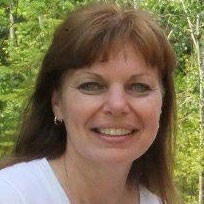
Ask an Expert
Ask Lynn Terrien, Outreach and Education Coordinator for the program. If you have questions, she can help!