DBT for Substance Use Disorders
DBT-SUD

Virtual via Zoom
Fee: $35 full members; $135 partial members & nonmembers
Continuing Education Hours: 6.0
Note: Participants must have completed basic training in DBT and read the books listed below. Need access to Skills Training materials during the training.
Course Description
DBT for Substance Use Disorders (DBT-SUD) is designed for anyone who has completed basic training in DBT, has been providing DBT individual psychotherapy or skills group interventions, and is looking to increase their knowledge and effectiveness in working with individuals with substance use disorders and comorbid conditions within a DBT framework. There is a large overlap between problem substance use and suicide behaviors, for which DBT-SUD is a good option for intervention for many clients. Further, for clients with certain comorbidities, DBT may be the treatment of choice. This training will familiarize you with some key concepts and help you distinguish differences between standard comprehensive DBT and DBT-SUD.
Learning Objectives:
Following this training, participants will be able to:
- Identify for whom DBT-SUD is appropriate
- Define addiction according to DBT-SUD
- Discuss how to handle urges and lying DBT-SUD
- Be able to explain at least one DBT-SUD specific skill
It is expected that all participants will have completed basic training in DBT and read the following books. Please have access to all of the Skills Training materials during the training.
Linehan, M. M. (1993). Cognitive-behavioral treatment of borderline personality disorder. Guilford Press.
Linehan, M. M. (2025a). DBT skills training manual (Rev. ed.). Guilford Press.
Linehan, M. M. (2025b). DBT skills training handouts and worksheets (Rev. ed.). Guilford Press.
About the Trainer
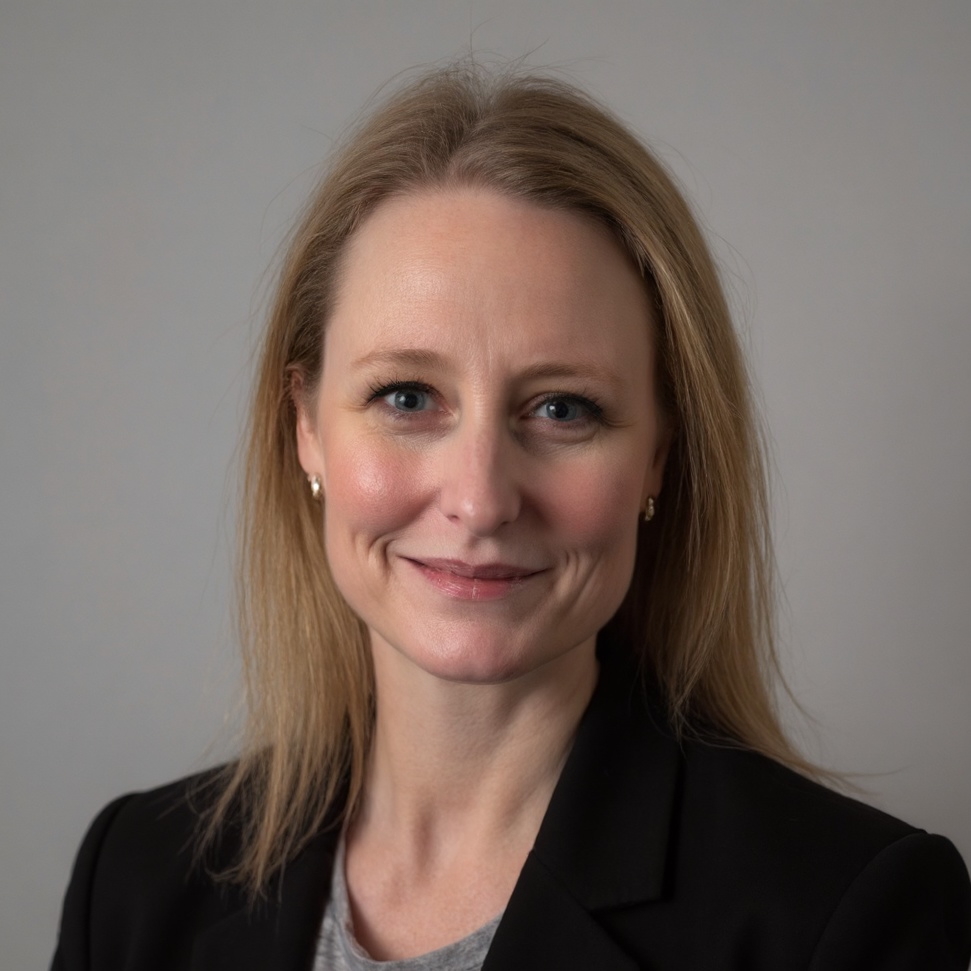
Dorian Hunter, Ph.D.
Dorian Hunter, Ph.D. is a DBT-Linehan Board of Certification Certified Clinician and licensed clinical psychologist in Washington State. She provides APA-approved continuing education trainings and workshops on Dialectical Behavior Therapy (DBT), mindfulness and mindfulness-based interventions, alcohol and other substance use disorders, and cognitive behavioral therapy (CBT). She currently trains and provides consultation to DBT teams, teaching individual DBT clinicians and DBT teams hoping to implement DBT, increase their treatment fidelity, and improve clinical skills. She also practices clinically and trains students and fellows in her group practice, the DBT Center of Tacoma, providing supervision, consultation, and didactics to trainees learning DBT. She also maintains an independent clinical practice.Dr. Hunter completed her undergraduate, post-baccalaureate, and post-doctoral training at the University of Washington Behavioral Research and Therapy Clinics (BRTC), under the direction of the DBT treatment developer, Dr. Marsha Linehan. At the BRTC she worked as a research assistant, treatment coordinator, research fellow, and study therapist on multiple studies of DBT, including pilot studies and clinical trials focused on development and evaluation of DBT for clients with suicidal behaviors, alcohol and other substance use disorders, and multi-family DBT for adolescents and their parents. Dr. Hunter completed her Masters’ and Doctorate degrees at Rutgers University, where she was a National Institute on Alcohol Abuse and Alcoholism (NIAAA) fellow throughout her training. Her graduate work focused primarily on learning and evaluating cognitive behavioral interventions for alcohol and other substance use disorders, particularly through the lens of interpersonal functioning. She additionally completed a clinical post-doctoral fellowship at the Evidence Based Treatment Centers of Seattle, with specialized training in DBT and interventions for anxiety disorders. Dr. Hunter has published book chapters and articles on DBT and other evidence-based interventions and underlying psychological processes related to behavior change.