Brain Injury
Beyond the Basics
February 1, 2027,
1:00 - 3:00pm CST
Virtual via Zoom
Fee: $10 full members; $25 partial members and nonmembers
Continuing Education Hours: 2.0
Register
Virtual via Zoom
Fee: $10 full members; $25 partial members and nonmembers
Continuing Education Hours: 2.0
Course Description
This workshop delves into advanced topics on brain injury, focusing on its prevalence and impact across different community groups. Participants will gain an understanding of the functions of various neural regions and the role of neuroplasticity in forming neural circuits. The session will also cover conditions related to Acquired Brain Injury (ABI) and offer supportive strategies to help minimize symptom severity. This workshop is tailored for professionals seeking a deeper understanding of brain injury and its broader effects.
Learning Objectives:
- After participating in this session, attendees should be able to identify the functional and supporting cells in the brain, and how these cells are influenced following an acquired brain injury.
- After participating in this session, attendees should be able to describe how principles of neuroplasticity can be implemented to minimize symptom severity among survivors.
- After participating in this session, attendees should be able to identify the most common symptoms throughout acquired brain injury recovery, and attendees should be able to describe strategies for each of these symptoms.
About the Trainer
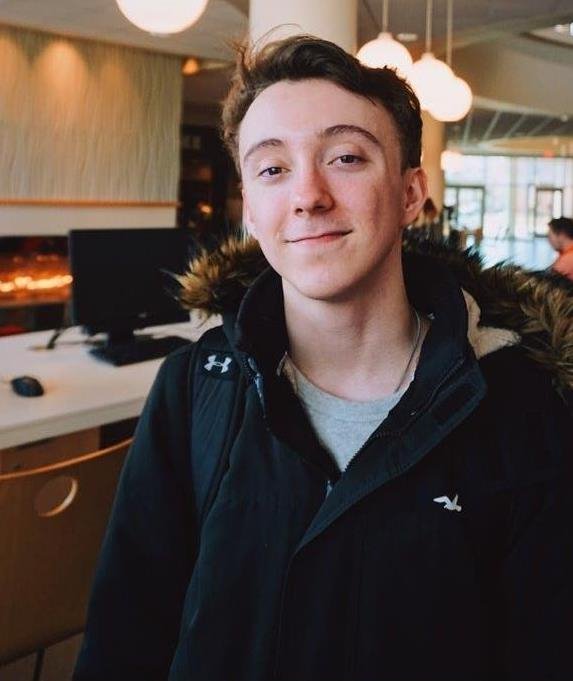
Alec Wendelboe
Alec oversees the Education & Outreach department for the Minnesota Brain Injury Alliance &Minnesota Stroke Association. We are sister agencies served by the same group of staff, and supporting the entire state's brain injury & stroke survivors. Alec received his bachelor's in neuroscience from Hamline University, and spent a few years conducting research through the Welsey & Lorene Artz Cognitive Neuroscience Center. Following his graduation he worked as a Case Manager through the MN Brain Injury Alliance, and supported brain injury survivors through their waiver programs. Alec came to this line of work due to his familial caregiving experiences. Growing up he had three brain injury survivors and one stroke survivor in his family, and an uncle who passed as the result of stroke. He feels incredibly passionate about this work.