Life as a Phoenix
Get the Most
Out of College
Making connections and creating memories.
Every stage of the college experience is designed to help Phoenix rise. Discover tools and support areas that will help your student through every phase of their journey, from before they even step onto campus, all the way through graduation.

Before they Start
Help your student feel ready for their college transition by guiding them to early connections on campus.
Their First Semester
Stay in the loop as they find their footing. Help your student find key resources and get involved on campus.
After Graduation
Help your Phoenix take the next step after graduation through career services and alumni connections.
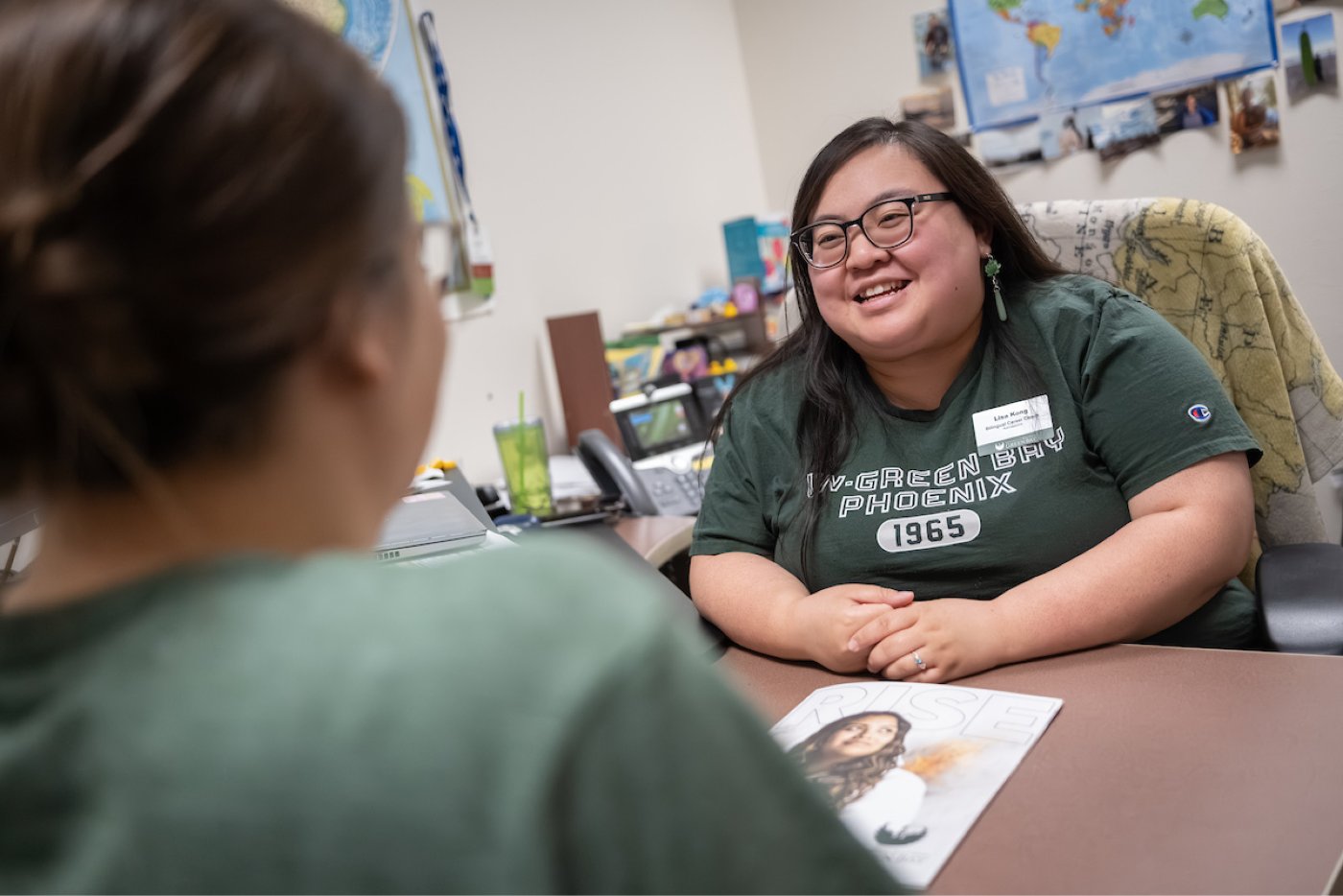
Before They Start
Plan, prepare and provide support.
What needs to happen before your student arrives at UW-Green Bay? We provide several ways to connect with the University and get to know campus before your student begins classes.
Understanding the differences between high school and college
| High School | College | |
|---|---|---|
| Teacher/Student Contact | Contact closer and more frequent (5 days a week). | Faculty are available during office hours (only a few hours a week) and by appointment to address students’ concerns. |
| Competition/Grades | Academic competition is not as strong; good grades can often be obtained with minimum effort. | Academic competition is much stronger; minimum effort may produce poor grades |
| Status | Students establish a personal status in academic and social activities based on family and community factors. | Students can build their status as they wish; high school status can be repeated or changed |
| Counseling/Dependence | Students can rely on parents, teachers, and counselors to help make decisions and give advice. Students must abide by parents' boundaries and restrictions. | Students rely on themselves; they seek the results of making their own decisions. It is their responsibility to seek advice as needed. Students set their own restrictions. |
| Motivation | Students get stimulation to achieve or participate from parents, teachers and counselors. | Students apply their own motivation to their work and activities as they wish. |
| Freedom | Students' freedom is limited. Parents will often help students out of a crisis should one arise. | Students have much more freedom. Students must accept responsibility for their own actions. |
| Distractions | There are distractions from school, but these are partially controlled by school and home. | The opportunity for more distractions exists. Time management will become more important to students. |
| Value Judgements | Students often make value judgments based on parental values; thus, many of their value judgments are made for them. | Students have the opportunity to see the world through their own eyes and develop their own opinions and values. |
Mullendore, R.H., & Hatch, C. (2000). Helping your first-year college student succeed: A guide for parents. Columbia, SC: University of South Carolina, National Resource Center for The First-Year Experience and Students in Transition. All rights reserved.
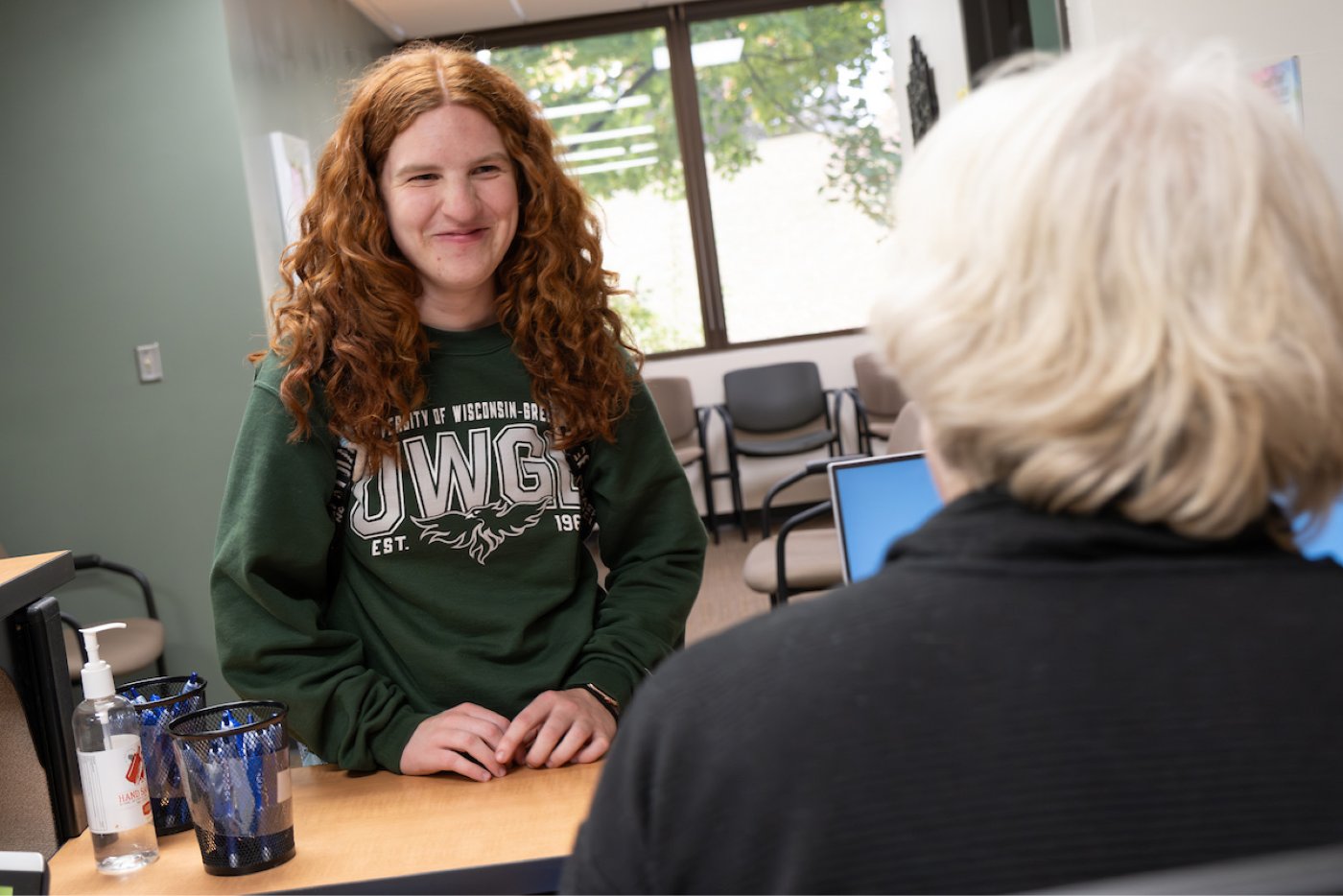
Their First Semester
The start of a new chapter.
The first semester of college comes with joys and challenges for both students and parents and families. Understanding what students are going through will help support figures guide their student when and where it's needed.
Ten Transitional Stages of First-Year Students
The following phases are typical of new students' adjustment to college. Stages may not occur in the sequence described, and students may not experience all of the phases. However, this information can serve as a useful guideline to understand the challenges students might face during the first year.
Adapted from:
Zuker, F. (n. d.) Transitional trauma: Predictable signs in the transition from high school to college.
As students experience much excitement over the prospect of attending college, expectations tend to be unrealistic and are based on brief glimpses of college life from campus visits, movies or television.
As they begin to pack and prepare for college, students realize that they are actually leaving behind the support systems of family and friends.
As students leave home, they experience emotional moments with loved ones. They realize that they do not know the unwritten rules of this new campus culture. At this stage, it is especially critical to meet experienced older students, such as resident mentors and peer leaders, who can assist with the adjustment process.
This is a time of euphoria as students anticipate intellectual excitement and a satisfying social life. Students feel ready to experience all that campus life has to offer.
After the frantic rush of GB Orientation, GB Welcome and GB Week events subside, students realize that college life consists of hard work, frustration and disappointment. Normal events such as long lines and class schedule changes may be unsettling to the new student. Initial grades may be lower than expected, which can come as a shock to the students who "coasted" through high school. Students may work much harder than ever before, only to receive lower grades. At this point, students often experience feelings of homesickness.
Faculty and staff can help ease anxiety by helping students realize that this is normal and that they are not alone.
Midway through the first year; students sometimes think they can solve their problems by transferring to another institution. At this point, students should be encouraged to give the college they are attending at least a full year's try. Students should be reminded that they might have had a worse experience at another school and situations that seem impossible in the first semester often disappear later in the year.
A first visit home is often traumatic due to a sense that things have changed. Siblings are curious about college life and reunited high school friends tend to exaggerate college success. At this time students may realize that they have changed and may long to return to campus.
After about six weeks, students have learned their way around campus and are expanding their circle of friends. Their self-confidence increases, they participate in more activities and they enjoy campus life.
Students often panic around the time of midterm or final examinations as they fully appreciate the amount of work involved. Students should be reminded that thorough course preparation is the best way to ensure a good grade. Warning signs that indicate trouble include panic attacks, procrastination, sleeping over 12 hours a day and avoidance of academic responsibilities.
By the middle of the second semester, students notice that classes, residence life and social activities have come together into a well-integrated lifestyle. Students are more confident, better able to make decisions, and are aware of opportunities for both personal and intellectual growth.

After Graduation
The journey doesn't end after the diploma.
Once a Phoenix, always a Phoenix. There are many opportunities for your student to stay connected with the University after graduation, including special alumni communications, alumni events, speaking opportunities and professional recognition.

Any Questions?
Meet Kendra, our Program Coordinator for Family Engagement and Leadership. Kendra is here to answer your questions or get you connected with people who can.