Supervision in Wraparound

Virtual via Zoom
Fee: None
Continuing Education Hours: 3.5
Note: There is a pre-study requirement for this course. See below. Registration is full. Please reach out to bhtp@uwgb.edu to be placed on a waitlist.
Course Description
Supervisors play a key role in helping staff accomplish the necessary activities of the wraparound process in programs such as CCS and CST. Providing supervision to wraparound staff requires specialized knowledge and skills. Core practices and tools will be identified that can assist supervisors in supporting their staff to implement wraparound to fidelity.
Learning Objectives
Participants will:
- Understand the supervisor’s role in supporting wraparound implementation
- Differentiate administrative and wraparound supervision practices
- Learn the four phases of staff development and supervision
- Build skills in coaching, observation, and providing effective feedback
- Strengthen ability to guide staff in using the wraparound process
- Review strategies for quality assurance, documentation, and Plans of Care
- Identify effective supervision practices that support staff growth, engagement, and retention
About the Trainer

Jessica Beauchamp, LCSW, SAS, SOTS
Jessica Beauchamp has 18+ years of experience in the human services field. She earned her graduate degree from Michigan State University. Areas of knowledge includes case management, service facilitation, administration, management, counseling, and program development. Jes worked in Community Mental Health (CMH) agencies for several years and in 2016 opened her own private mental health practice.
With CMH she provided crisis intervention services and worked closely with the court system and Chapters 51 and 55. She also worked in several roles within Comprehensive Community Support (CCS), Community Support Teams (CST), and Children’s Long-Term Services (CLTS) programs.
In private practice Jes offers unique services in that a majority of the treatment takes place in the community, nature, or the client home. She also contracts and consults with local practitioners and several agencies around the state of WI.
Jes has presented to a variety of audiences on topics including: wraparound, assessing suicide risk, crisis/safety planning, substance use/abuse, ethics/boundaries, personality disorders, Autism and HIPAA.
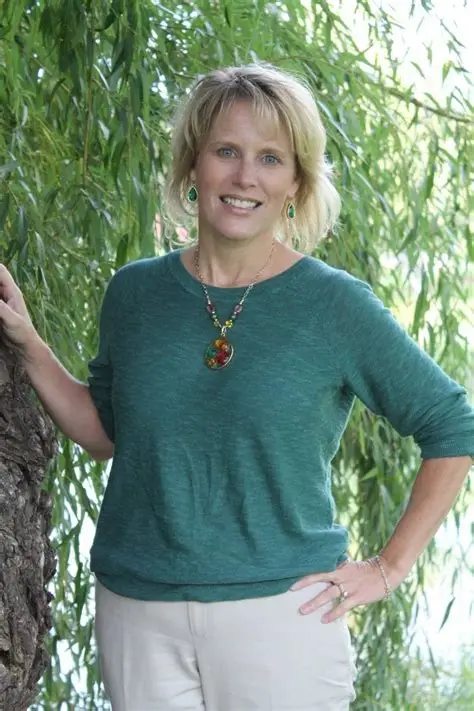
Sara Shaver, LMFT
Sara Shaver is a Licensed Marriage and Family Therapist with over 29 years of experience in the field. She is the co-founder and co-director of Compass Counseling LLC, a private mental health clinic. She was first introduced to the wraparound process in 1996. For Sara, utilizing a wraparound approach “just makes sense,” and she integrates this philosophy into her therapy practice and various programs.Since 2002, Sara has been a presenter and trainer for programs using a wraparound approach in Wisconsin. Sara brings a unique perspective from her extensive experience in wraparound projects. She began her career as a Care Coordinator, progressing to Project Coordinator, where she played a pivotal role in helping five counties in Wisconsin establish and maintain their wraparound programs. Over the years, she has supervised Care Coordinators and teams. Currently, she serves on teams for her clients and has been a member of the CST/CCS Coordinating Committee in her county since 2011.