GLP-1s in Substance Use Disorder Treatment
Emerging Evidence and Clinical Implications

Virtual via Zoom
Fee: $10 full members; $25 partial members and nonmembers
Continuing Education Hours: 2.0
Course Description
GLP-1 receptor agonists medications such as semaglutide, liraglutide, and tirzepatide originally developed for type 2 diabetes and obesity have drawn growing attention for their potential to reduce cravings and use across alcohol, nicotine, opioids, and stimulants. This two-hour session reviews the science behind these effects, including how GLP-1s act on the brain's dopaminergic reward pathways, and surveys the current state of the evidence, from animal models and observational data to early clinical trials. Participants will examine what is genuinely promising, what remains unproven, and how this emerging area intersects with the realities of substance use disorder care in county and tribal human services settings. The session emphasizes practical implications for behavioral health professionals including how to talk about these medications with patients, where they may fit alongside established treatments, prescribing guidance, and the ethical and access questions.
Learning Objectives
By the end of this session, participants will be able to:
- Describe the proposed mechanisms by which GLP-1 receptor agonists may influence substance use, including their effects on reward and craving pathways.
- Summarize the current state of the evidence for GLP-1s across alcohol, nicotine, opioid, and stimulant use disorders, distinguishing established findings from preliminary or hypothetical claims.
- Identify the potential role, limitations, and risks of GLP-1 medications within a comprehensive, whole-person approach to substance use disorder treatment.
- Apply this knowledge to patient-facing conversations and interdisciplinary collaboration, including how to respond to client questions and when to refer to medical providers.
- Recognize the equity, access, and ethical considerations relevant to emerging pharmacotherapies in Wisconsin county and tribal human services settings.
About the Trainer
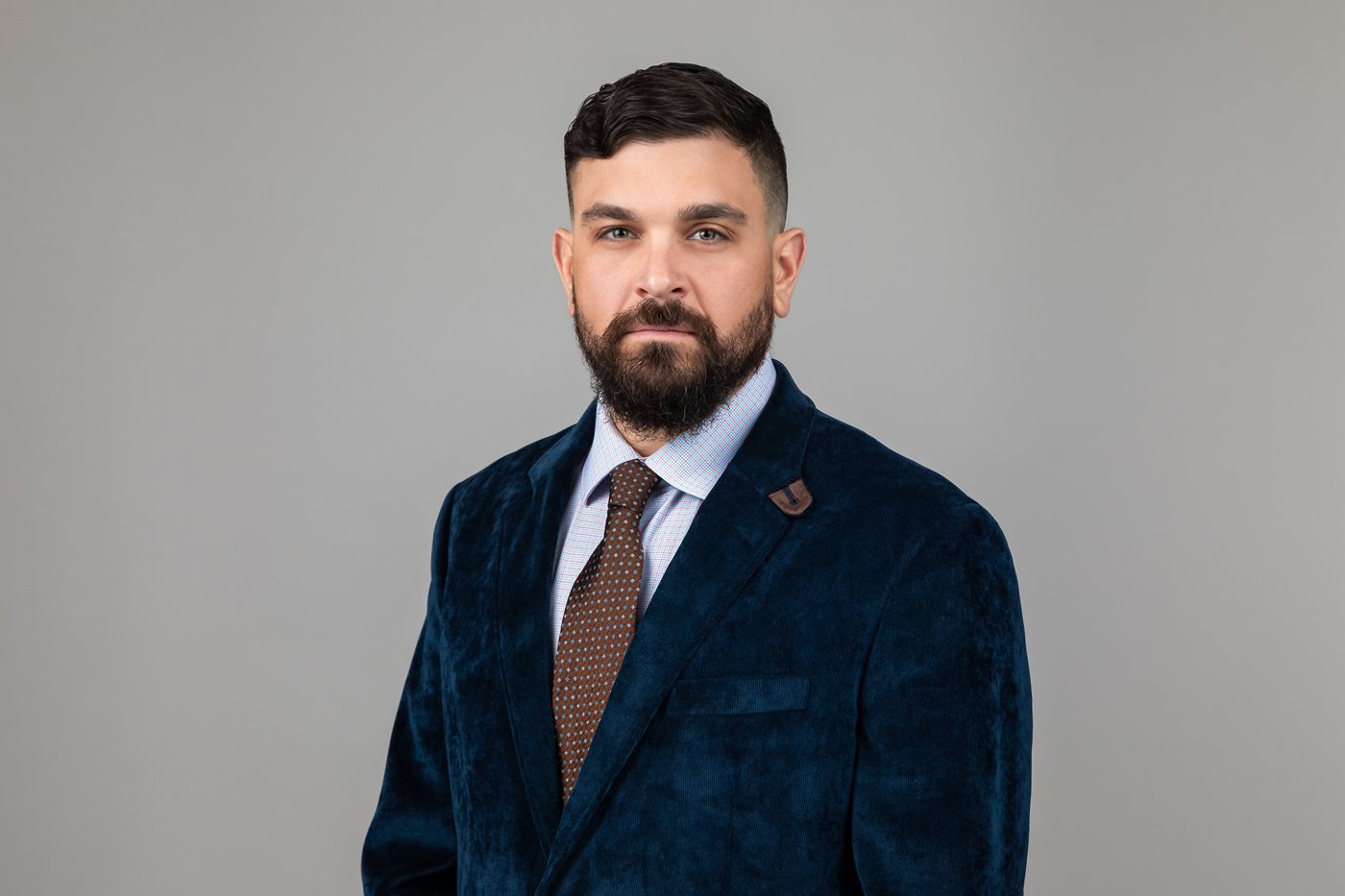
Steven Klein, MH/PhD, FAAP, FACMG, FASAM
Steven Klein MD/PhD, FAAP, FACMG, FASAM is a distinguished physician-scientistspecializing in addiction medicine, currently service as an attending Addiction Medicine
physician at Caron Treatment Centers. Dr. Klein joined Caron in 2024 after completing a
combined residency and fellowship in Pediatrics and Medical Genetics and a post-doctoral
fellowship in translational research at the Children’s Hospital of Philadelphia (CHOP).
At Caron, Dr. Klein works with young adults, teens, and adult relapse populations, and has
played a leading role in advancing the center’s research and clinical adoption of GLP-1 receptor
agonists to manage cravings in patients with substance use disorders (SUD). His work aims to
expand access to evidence-based, biologically informed treatment for addiction. As part of his
outreach work he provided medical services to Open Doors in Rhode Island.
Dr. Klein earned his MD from UCLA as part of the highly selective Medical Scientist Training
Program (MSTP), along with a PhD in Human Genetics from UCLA in 2017. He holds a BS in
Molecular Genetics with a minor in American Sign Language from the University of Rochester.
Dr. Klein’s research program integrates clinical and mechanistic studies of GLP-1 receptor
agonists, evaluating their impact on craving, relapse trajectories, psychiatric comorbidity, and
metabolic dysfunction in individuals with substance use disorders.
He is board-certified by the American Board of Pediatrics, the American Board of Medical
Genetics and Genomics, and the American Board of Preventative Medicine in Addiction
Medicine. He is licensed to practice medicine over 35 states where he works to expand access to
GLP-1 medications to patients with addiction, he also maintains DEA registration.
Dr. Klein is deeply committed to professional service and recovery advocacy. He serves as a
Board Member and Membership Committee Chair for the IDAA (Previously International
Doctors of Alcoholics Anonymous), drawing on his personal experience in recovery to support
physician wellness. He also formerly served as the Recruitment Chair of POP@CHOP,
supporting LGBTQIA+ inclusion in healthcare.
His work has been recognized through numerous awards, including the David Smith Award for
Research Excellence and the Denis Weatherstone Predoctoral Fellowship from Autism Speaks.
He has been invited to speak at national conferences and has authored peer-reviewed
publications in leading journals. His clinical efforts at Caron have been featured in the New York
Times, The Washington Post, The Boston Globe, and Stat News.
Dr. Klein is dedicated to transforming addiction care by bridging genetic science, clinical
innovation, and recovery-centered compassion.