Sculpture
Stretch Your Spatial Understanding
Sculpture is a three-dimensional challenge for any artist. How to present an object to be viewed from many angles? At its most basic, sculpting involves building a form by adding material on or carving pieces away to reveal your form. Four main techniques sculptors use are carving, assembling, modeling and casting. Gain problem-solving skills as you understand these processes and the possibilities of your materials. Materials can include clay, wood, metal, plaster, epoxy, resin. Start there, and the rest is up to you and your imagination.
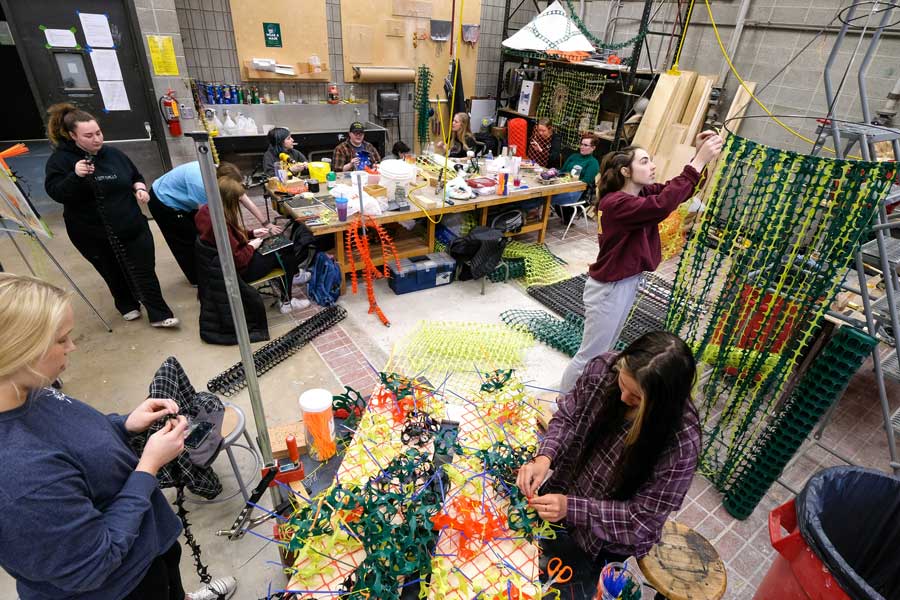
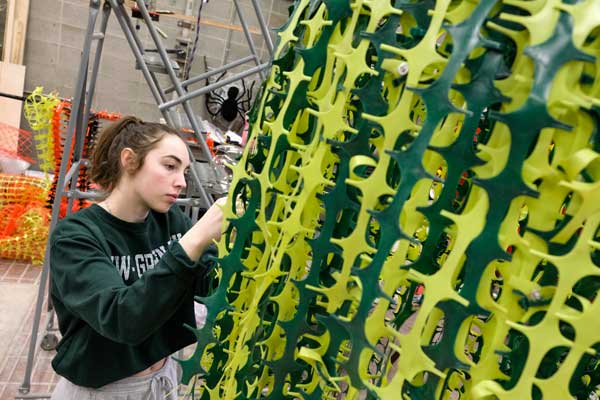
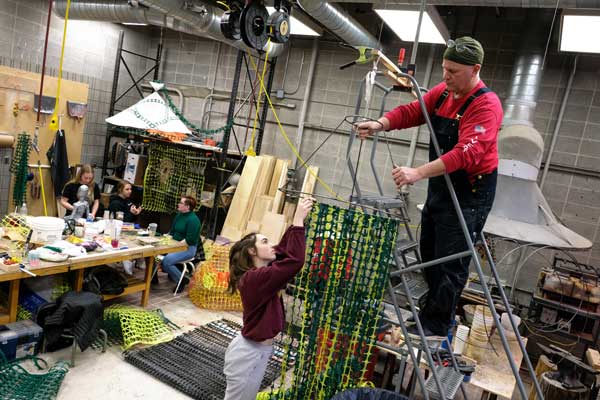
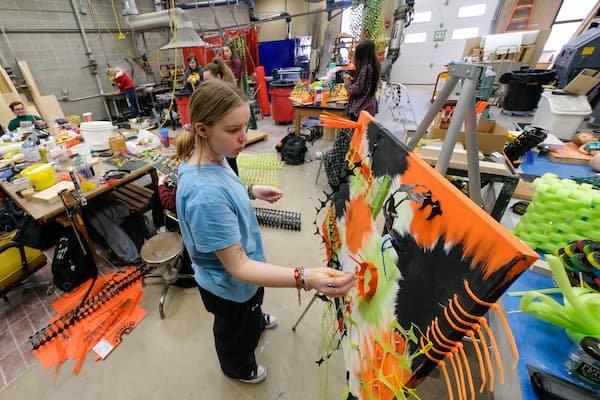
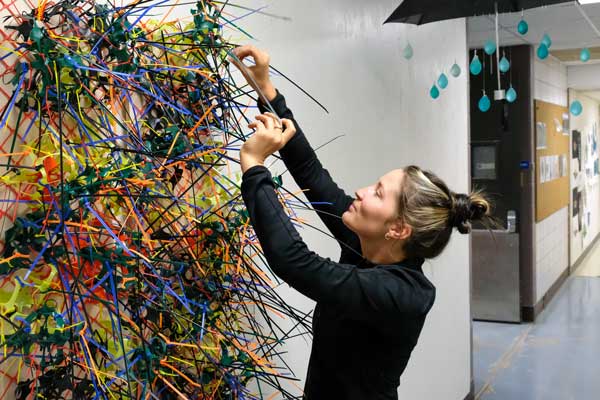
Sculpture Resources
We have brilliant spaces for your sculptural ambitions.
To help you create and build your portfolio, we have excellent technical facilities with a wide range of resources. In your classes you'll be encouraged to experiment with traditional and contemporary sculptural techniques such as:
- Sound
- Textiles
- Ceramics
- Casting
- Welding
- Woodworking
- Found object sculpture
- Installation
More to Explore
Engage with art in other ways or check out other art studio areas.
Space to Ponder Art
Expand your understanding of art through our art exhibits—including student artwork—glean insight about the human experience and get inspired to create!
In Their Studio
Dive into the minds of artists and get inspired from their grappling with creativity. Our "In Their Studio" podcast features interviews with faculty, students and featured artists.
Other Studio Areas
Sculpture and metals and painting, oh my! No matter your interest, we have the tools and studio space to create your best work in a wide range of media.
We'll Fill You In
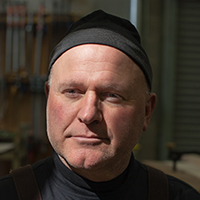
If you have any questions concerning our sculpture courses, resources or what work you can create, contact Assistant Teaching Professor Mark Sauter.