Emotional Intelligence for Impactful Leadership
Empathy Drives
Results
Inspire and guide your teams with clarity, compassion and resilience.
A focus on emotional intelligence (EI) strengthens your leadership by enhancing self-awareness, empathy and communication. With higher EI, you will be better equipped to manage your own emotions, understand and respond to the feelings of others, and build strong, trusting relationships. You will also become a more effective decision-maker, your team dynamics will be enhanced, and you will foster a positive work environment where people feel valued and motivated.

Our Training at a Glance
Register today for the Emotional Intelligence for Impactful Leadership Certificate Program. Space is limited to 20 students.
Times & Dates
Tuesdays, 8-10 a.m.
September 1, 2026-March 2, 2027
Online
100% Online via Zoom
Cost
$895 includes MSCEIT2 assessment

Emotional Intelligence Fuels Leadership
Focusing on emotional intelligence (EI) can significantly enhance your leadership abilities in several impactful ways—improved awareness, better relationship management, enhanced communication skills, greater empathy, stronger decision-making and increased resilience.

Benefitting from Improved EI
Improved emotional intelligence benefits everyone in the workplace—not just leaders. Here's how different roles gain from it:
- Leaders & Managers: Make better decisions, build trust, and lead with empathy.
- Team Members: Communicate more effectively, collaborate smoothly, and manage stress.
- HR Professionals: Resolve conflicts, support employee well-being, and foster inclusive cultures.
- Customer-Facing Roles: Understand client needs, handle complaints with empathy, and build stronger relationships.
- Project Teams: Navigate group dynamics, stay motivated, and adapt to change.
Meaningful Sessions
Virtual sessions will be hosted on the first Tuesday of each month from 8-10 a.m.
Foundations of Emotional Intelligence
Instructor: Charlie Moore
September 1, 2026
Define the core components of emotional intelligence and explain their relevance to effective leadership, personal development, and relationship building. Discuss the reliability and validity of the MSCEIT2 self-assessment and how the tool can be utilized to build self-awareness. Explore how personal assessment results to identify patterns and areas for development.
1:1 Coaching Conversation with Charlie Moore
September (to be scheduled)
Engage in a reflective conversation to clarity your emotional intelligence strengths and opportunities for growth. Articulate key insights from your self-assessment results and coaching dialogue. Create an action plan for personal and professional development based on your individualized MSCEIT summary feedback. Coaching conversation date to be scheduled subject to student and instructor discretion.
Self-Regulation & Managing Emotions
Instructor: Ryan Martin
October 6, 2026
Identify common emotional triggers and describe their impact on personal and professional behavior. Apply evidence-based strategies to regulate emotions in high-stress or emotionally charged situations. Develop a personal plan that integrates mindfulness, reflection, or stress-reduction practices to increase self-control. Differentiate between reactive and responsive behaviors using real-world workplace scenarios.
Empathy & Social Awareness
Instructor: Alison Jane Martingano
November 3, 2026
Define and distinguish between cognitive and emotional empathy, recognizing both their protective benefits and potential pitfalls. Practice perspective-taking through guided exercises to begin building strong cognitive empathy skills. Identify how biases such as stereotypes, cultural assumptions, and confirmation bias can undermine accuracy in interpreting others. Learn how overconfidence in one's ability to "read" emotions can be problematic, and how asking questions in safe, open environments often provides the most accurate understanding by integrating multiple perspectives.
Leading Through Change & Challenge: Emotional Intelligence for Results
Instructor: Dean Nemecek
December 1, 2026
Apply emotionally-intelligent strategies to guide teams through uncertainty, transformation and operational challenges. Foster resilience and adaptability without sacrificing performance standards. Learn to maintain accountability and preserve trust.
Coaching Emotional Intelligence as a Leader
Instructors: Jenene Calloway
January 5, 2027
Explain the role of leaders in modeling and coaching emotional intelligence within teams. Apply feedback frameworks that balance accountability with empathy. Practice emotionally intelligent questions and listening skills to support employee development. Develop strategies to build a team culture that values self-awareness, empathy, and collaboration. Additional Note: The instructor will incorporate role-play coaching scenarios and case studies to demonstrate emotional intelligence in a workplace setting.
Integration & Application
Instructor: Cyndi Wentland
February 2, 2027
Synthesize insights about EI to articulate your personal growth in emotional intelligence. Design a personalized, actionable plan to continue applying EI principles in leadership and workplace settings. Commit to short- and long-term strategies for sustaining emotionally intelligent behaviors. Reflect on your leadership identity and how EI will shape your professional impact.
Closing & Wrap-Up with Charlie Moore
March 2, 2027
Develop your next action steps as you review what you've learned.

Earn a Digital Badge
Upon successful completion of the training, you will receive an exclusive UW-Green Bay credential, a digital badge validating your accomplishment and signaling to employers your mastery of the curriculum. The digital badge can be featured on LinkedIn, your resume, email signature and website.
Instructors
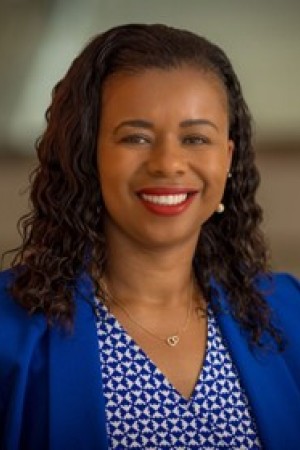
Jenene Calloway
Senior VP of HR at Schreiber FoodsJenene Calloway, Ph.D., is a global leadership scholar and leads HR strategy to advance people systems, enhance the partner experience and align talent with business goals. With 18 years at Schreiber, she has driven change through leadership development, workforce planning, and inclusive practices. She holds a Ph.D. in Global Leadership from Troy University and multiple HR certifications. She serves on regional boards and has earned honors including the ATHENA Leadership Award and Titan 100 Wisconsin.

Ryan Martin
Dean, College of Arts, Humanities & Social Sciences, ProfessorRyan Martin (aka the Anger Professor), Ph.D., is a leading expert on emotional wellness and anger management. He helps people master emotional challenges and harness the power of emotions—especially anger—for personal growth and success. His work focuses on delivering practical, research-backed strategies through clear, direct, and actionable advice. Trained as a counseling psychologist at the University of Southern Mississippi, Ryan first began studying anger after earning his undergraduate degree in Psychology and Criminal Justice from the University of St. Thomas. His clinical work includes serving clients—angry and otherwise—in community mental health centers, college counseling centers, and a VA hospital. In his role as Dean, Ryan combines academic leadership with a commitment to public scholarship.

Alison Jane Martingano
Assistant Professor of PsychologyAlison Jane Martingano, Ph.D., is a social psychologist at the University of Wisconsin–Green Bay, where she leads the Social Research Lab dedicated to investigating empathy and perspective-taking. She has published in leading academic journals and is equally committed to public scholarship, hosting the fortnightly Psychology & Stuff podcast and blogging for Psychology Today. A passionate educator and TEDx speaker, she aims to inspire others to nurture empathy in a rapidly changing world.
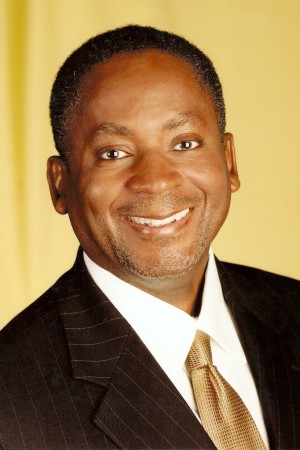
Charlie Moore
President and Owner of Mooresight Coaching and ConsultingCharlie Moore, president and owner of Mooresight Coaching and Consulting, has spent 35 years in healthcare operations and leadership development, helping leaders and teams develop strategies and behaviors that align with and support their mission and strategic goals. His main areas of focus are emotional intelligence, brain science, and personal growth coaching. He has also worked independently as a speaker/facilitator and adjunct professor. In 2024, he founded his coaching and consulting business, where he coaches individuals seeking growth and provides consultation on organizational performance and development. Charlie brings ease to learning while challenging participants to think beyond their comfort zones.
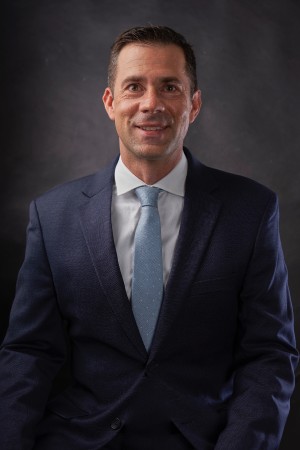
Dean Nemecek
Talent Acquisition Program Manager, ClariosDean Nemecek is a talent acquisition and HR leader with expertise in workforce development, leadership training, and organizational trust. After a 27-year military career in the U.S. Army and Wisconsin Army National Guard—where he held leadership roles in operations, recruiting, and personnel management—he transitioned to the private sector, specializing in talent strategy, military hiring initiatives, and leadership development. Previously the Talent Acquisition Leader for North America at Trek Bikes, Dean now serves as a Talent Acquisition Program Manager at Clarios, focusing on hiring and retaining veterans, transitioning service members, and military spouses. He is also a skilled trainer in emotional intelligence and building high-trust workplace cultures. Dean holds an MBA in Human Resource Management, a Master of National Security and Strategic Studies, and a Bachelor’s in Business Administration.
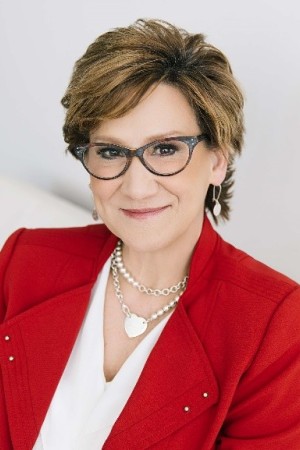
Cyndi Wentland
MBA, Certified Coach, Founder of Intentionaleaders, LLCCyndi is the Founder of Intentionaleaders (founded in January 2020), an organization that fosters growth, development, and passion in leaders at all levels of experience. She’s spent the last three decades in a variety of corporations, teaching college business courses, providing executive coaching, as a solo entrepreneur, and hosting The Intentional Leader Podcast. She has a Bachelor of Science degree in Education from the University of Wisconsin Madison, and an MBA from Edgewood College. She’s an authorized partner and facilitator for Everything DiSC©, the Meyers-Briggs Type Inventory©, Management Research Groups Leadership 360, is a certified coach through the Life Coach School, and has been certified as a Virtual Presenter by eSpeakers.

Need Guidance?
If you have any questions about the certificate program, please contact Kat Weber, Program Specialist.